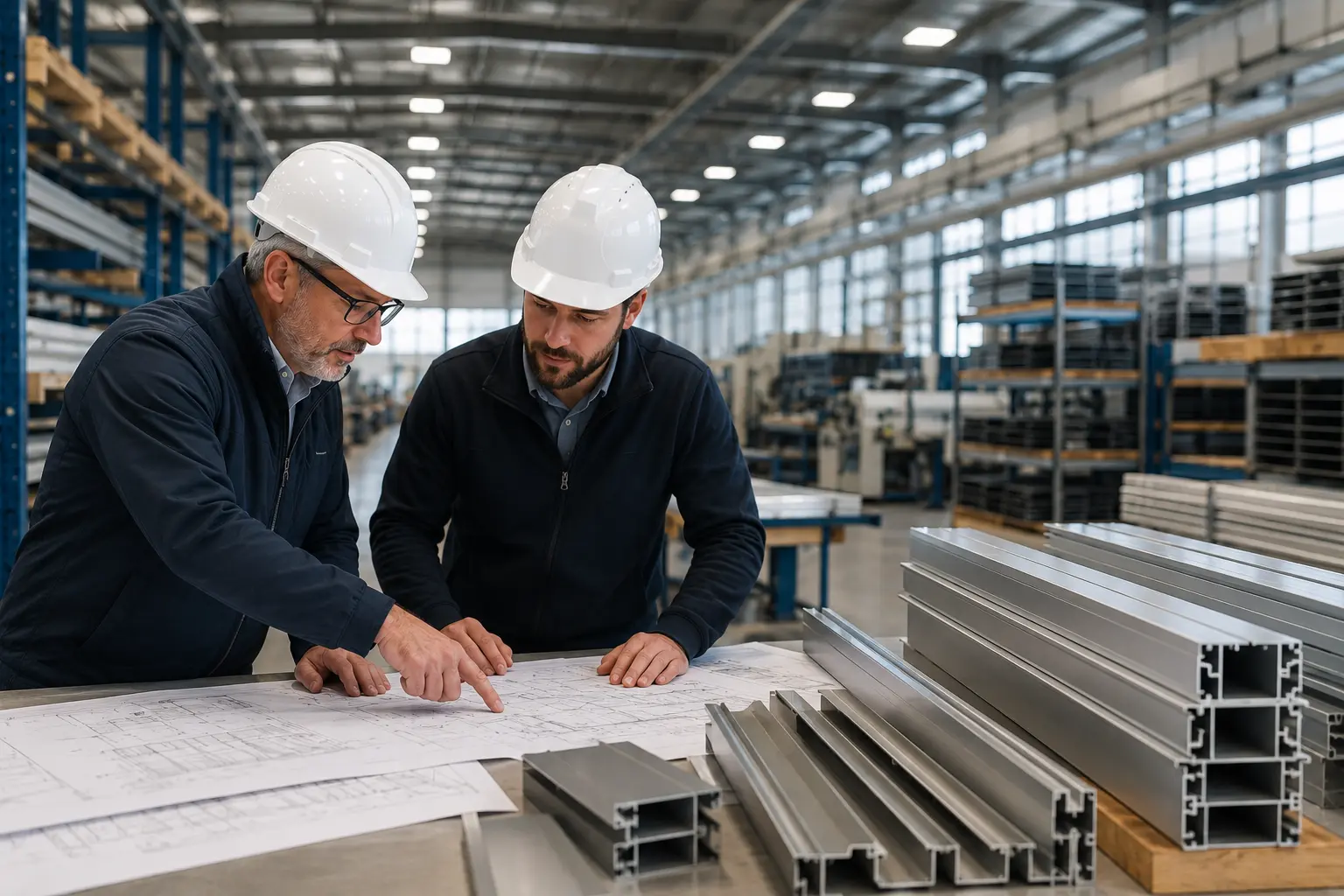
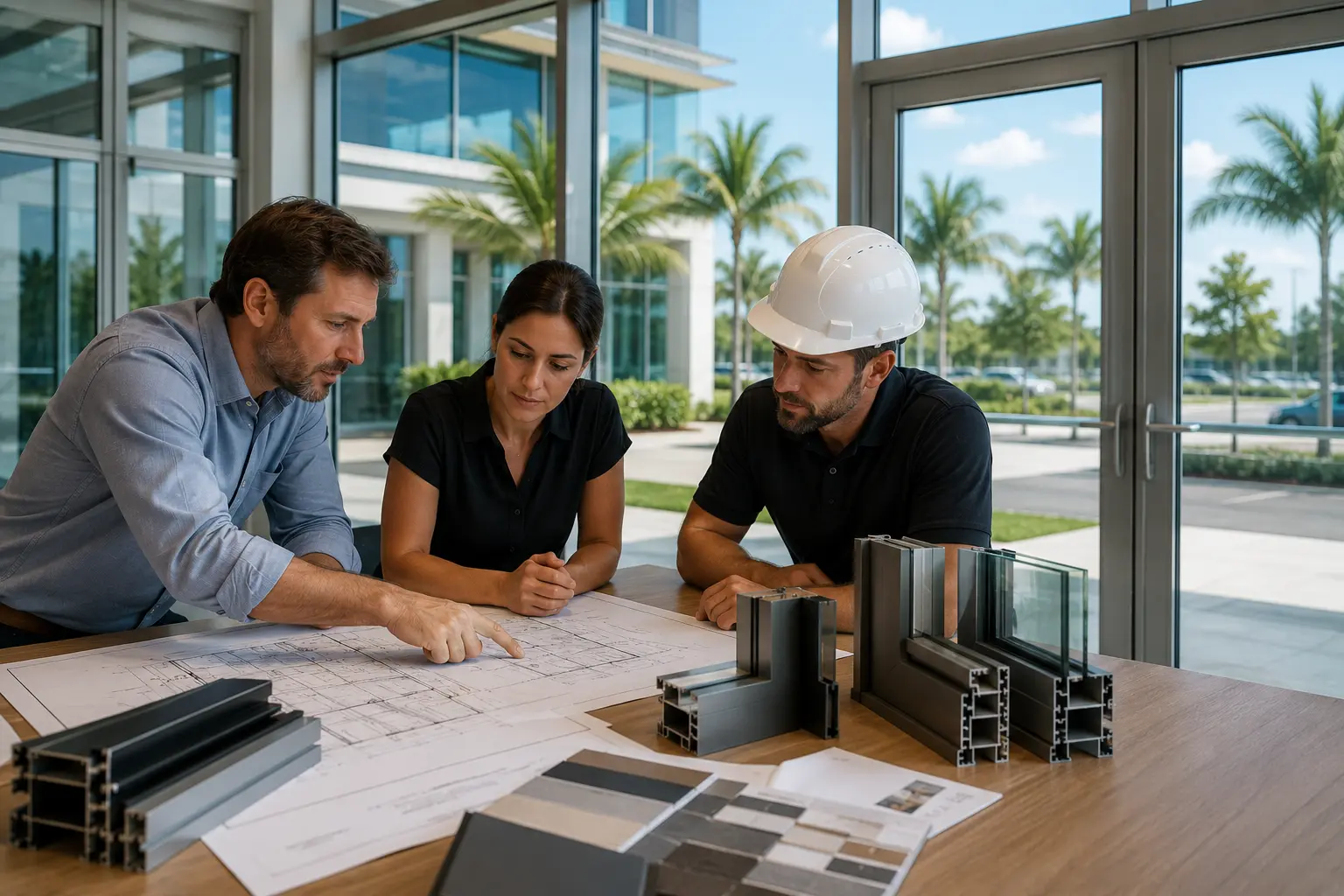
Designing With Daylight: How Sunshades, Louvers, and Window Systems Support Better Buildings
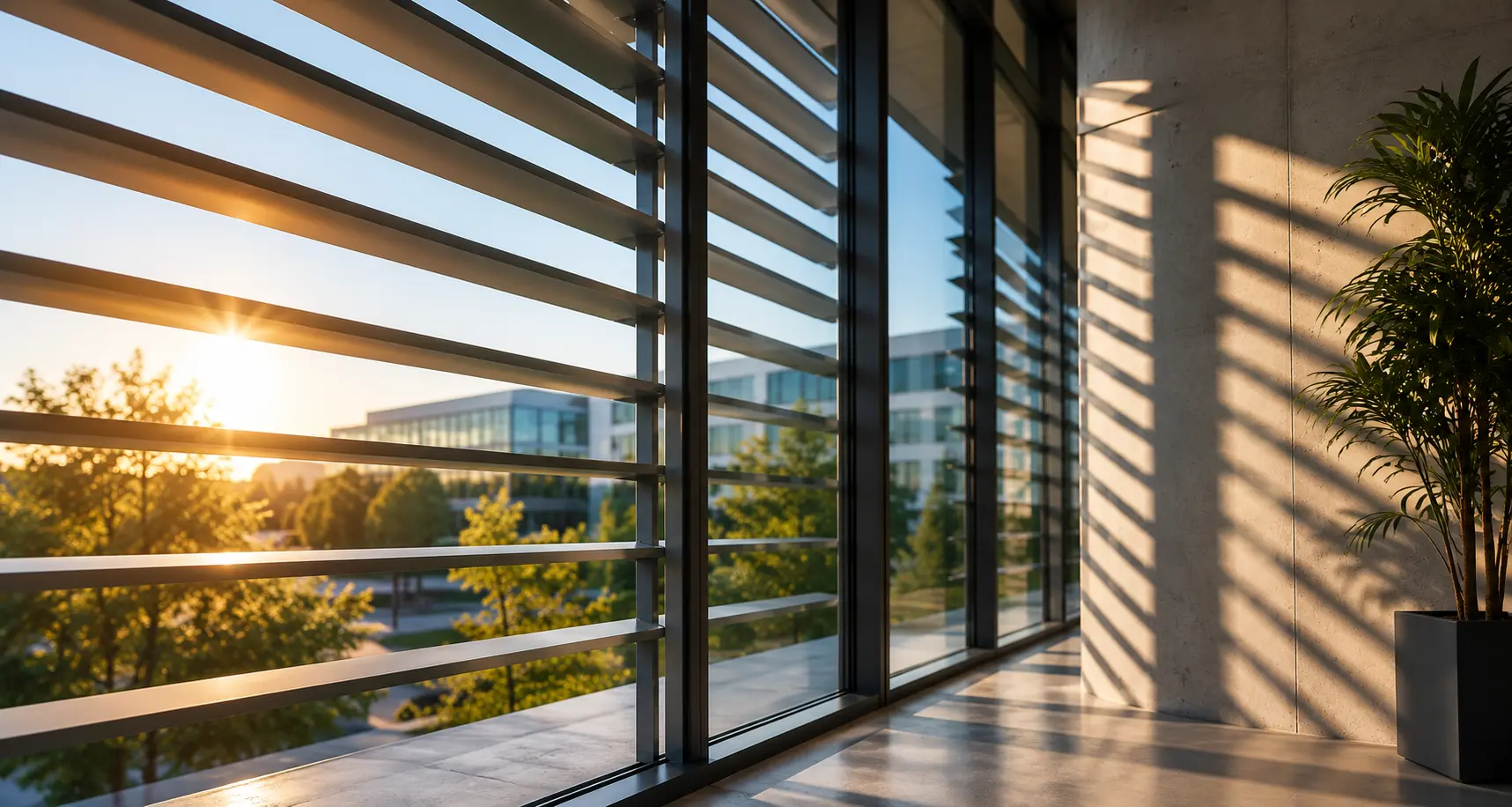
Natural light is one of the most valuable features in a building. It shapes how spaces feel, how people move through them, and how a façade communicates from the outside. But daylight must be managed carefully—especially in Florida, where sun exposure, heat gain, glare, and weather conditions all play an important role in building performance.
For architects and project teams, the right combination of windows, sunshades, louvers, and window wall systems can help create buildings that feel open, functional, and durable.
At SOLATROL, our product categories are designed to support commercial and institutional environments where performance and design intent need to work together.
Windows as a performance foundation
Windows do more than bring light into a space. In Florida, they are part of a larger performance strategy. Depending on the application, project teams may need to evaluate impact rating, design pressure, glazing requirements, frame construction, and approval documentation.
For schools, campuses, and public facilities, window systems also need to support long-term durability. These are not low-use environments. They require products that can perform over time while meeting project-specific requirements.
A well-selected window system helps balance visibility, protection, and architectural intent.
Sunshades for comfort and control
Sunshades help manage the relationship between daylight and heat. By reducing direct sun exposure, they can support occupant comfort, reduce glare, and contribute to a more controlled interior environment.
They also play an important visual role. On commercial and institutional buildings, sunshades can add depth, rhythm, and definition to the façade. When designed well, they become part of the architectural language rather than an afterthought.
For project teams, the key is to select sun control systems that support both performance goals and design intent.
Louvers for airflow and screening
Louvers are often treated as purely functional, but they are important to both performance and appearance. They allow airflow, support ventilation needs, and help screen mechanical or service areas while maintaining a clean exterior expression.
In institutional and commercial buildings, louvers need to be durable, coordinated, and visually consistent with the rest of the façade system. They may appear in utility areas, equipment zones, service openings, or exterior elevations where airflow and screening are both required.
A strong louver strategy helps keep functional requirements from disrupting the overall design.
Window walls for transparency and scale
Window wall systems support larger areas of glazing and a more open architectural expression. For projects that call for transparency, daylight, and a modern façade, these systems can help create impact while maintaining a structured approach to performance.
Because these systems are highly visible, coordination matters. Details, finishes, transitions, and supporting documentation all need to be aligned early.
The best results come when product selection, architectural goals, and performance requirements are considered together.
Coordinating the full system
Daylight design is not about one product. It is about how multiple systems work together. A building may use fixed windows, operable windows, louvers, sunshades, exterior doors, and window wall systems across different zones. Each product has a role, and each must support the project’s broader performance requirements.
That is why early coordination is so important. When teams identify the right product categories and series upfront, they can reduce submittal friction, simplify documentation, and avoid late-stage changes.
A practical approach to better buildings
Successful buildings are not just beautiful. They are durable, functional, and supported by products that make sense for the environment they are built in.
SOLATROL helps project teams specify commercial-grade systems for Central and South Florida projects, with a focus on performance, documentation, and factory-direct coordination.
Need help aligning daylight, façade performance, and product selection?
Share your project scope and performance requirements. Our team will help identify the right product categories and documentation path.